


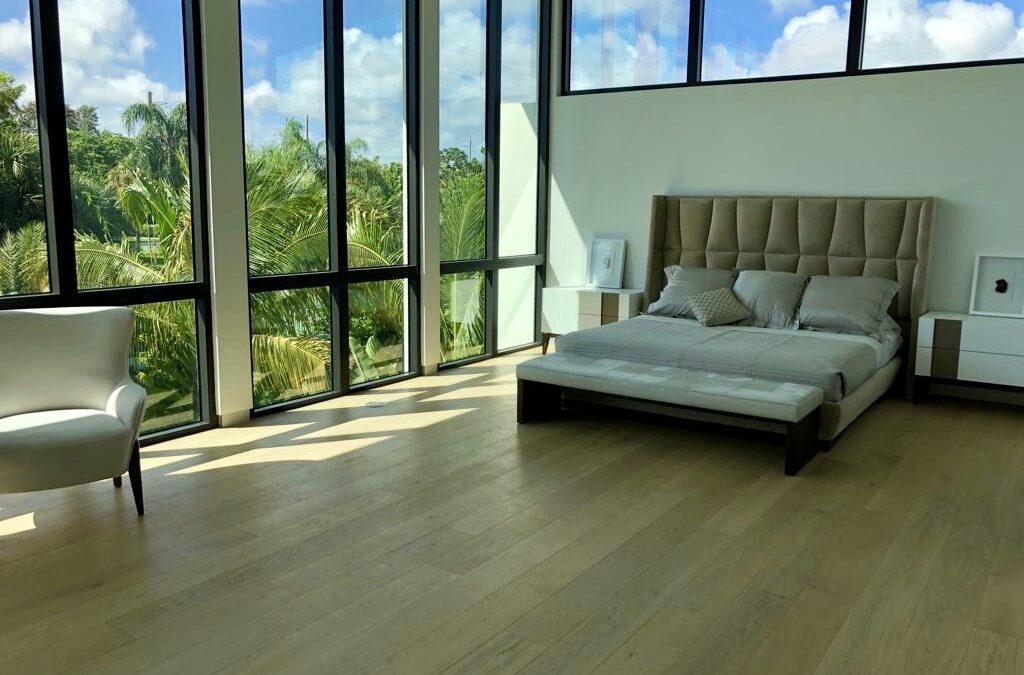
When we think about carrying out a full renovation, the first things that come to mind are improving aesthetics, functionality, or layout. However, there is one element that is often overlooked and can make a major difference in your quality of life: acoustics. Incorporating acoustic solutions during a renovation is a smart investment that can reduce disturbances caused by internal and external noise, transforming your home into a quieter and more comfortable space.
In this article, we explain why taking advantage of a full renovation process is the ideal time to optimize your home’s acoustics.
1. Why Consider Acoustics During a Full Renovation?
Renovating a home involves dismantling, redesigning, and rebuilding various elements, creating the perfect opportunity to integrate solutions that would otherwise be more difficult (and costly) to install later. Soundproofing is one of these cases. During renovation or construction, it is easier to access walls, floors, and ceilings, allowing the installation of materials and systems that improve the space’s ability to absorb, isolate, and reduce noise.
Whether you live in a building with noisy neighbors, in a high-traffic area, or simply want to prevent sound from traveling between rooms, planning acoustic improvements at this stage is a practical and effective decision.
2. Benefits of Including Acoustic Solutions in Your Renovation
a) Greater everyday comfort:
Noise—both external and internal—can affect your peace, rest, and even productivity. Incorporating acoustic elements such as insulating panels, soundproof doors and windows, or floating floors significantly reduces these disturbances, creating a more comfortable and relaxing environment.
b) Improved privacy:
Internal noise, such as conversations, TVs, or movement between floors, can also be a source of discomfort. Proper soundproofing ensures that each space is more private and functional.
c) Increased property value:
A home with high-quality acoustic insulation is a highly attractive added value in the real estate market. Buyers greatly appreciate the comfort of a well soundproofed property, which can translate into a higher selling price.
d) Energy efficiency:
Many materials used for soundproofing, such as mineral wool panels or insulating foam, also act as thermal barriers. This means that in addition to blocking noise, they help maintain indoor temperature, reducing energy consumption and heating or cooling costs.
3. Acoustic Solutions You Can Incorporate During a Full Renovation
During the planning of your renovation, there are several options to improve your home’s acoustics:
a) Wall and ceiling insulation:
Installing materials such as acoustic drywall panels, mineral wool, or soundproof foam within walls and ceilings effectively blocks noise from other rooms or outside.
b) Acoustic windows and doors:
Replacing windows with double-glazed models and adding seals to doors can significantly reduce external noise.
c) Floating floors:
Floating flooring systems, which include an insulating layer between the original floor and the new finish, minimize impact noise such as footsteps or moving furniture.
d) Decorative acoustic panels:
Ideal for living rooms, offices, or entertainment areas, acoustic panels reduce reverberation within a room, improving sound quality and overall comfort.
Noise disturbances are one of the factors that most affect quality of life at home. Incorporating acoustic solutions during your renovation or new construction not only contributes to peace and quiet but is also a long-term decision that adds comfort and value.
At our construction project management and full renovation firm, we understand that a home should be a refuge. We work with you to design solutions that combine functionality, aesthetics, and acoustic comfort. If you are planning a renovation or building your home and want to integrate soundproofing improvements, don’t hesitate to contact us so we can transform your home into an oasis of peace and tranquility.